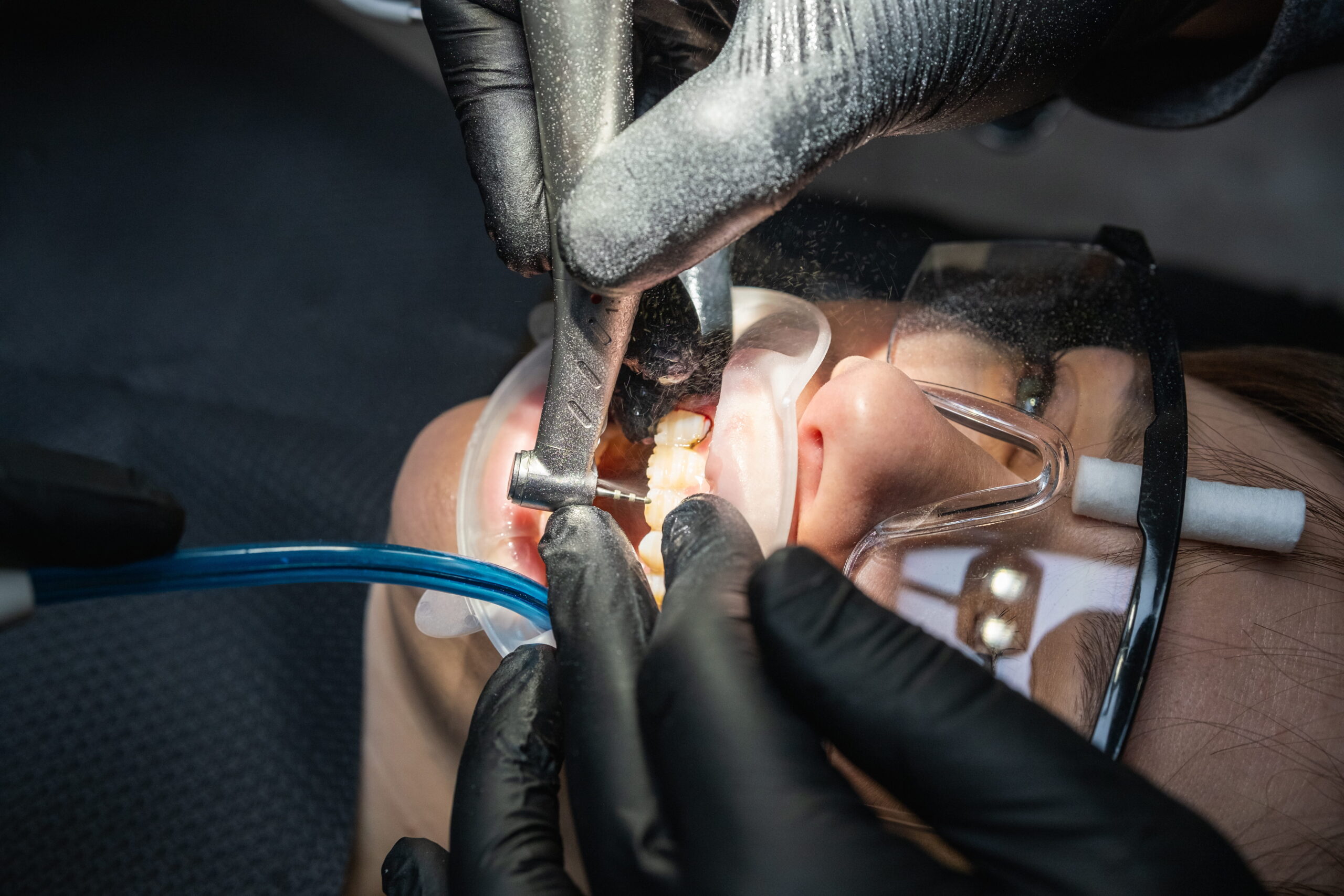
Restorative Dentistry
Restorative Dentistry in Wilkesboro, NC
Care That Puts Your Natural Teeth First

A cracked molar, a filling that fell out, or a tooth that aches every time you bite down can throw off your whole day. Our team at Longview Dental helps patients in Wilkesboro get damaged teeth comfortable and working again, with an approach that saves as much healthy tooth structure as possible. We look closely, explain your options in plain language, and choose the repair that fits both the tooth and your goals.
FAQs about Restorative Dentistry
What Is Restorative Dentistry?
Restorative dentistry is the branch of dental care that repairs or replaces damaged and missing teeth so you can chew, speak, and smile comfortably. Its purpose is function first: a restored tooth should hold up to daily use and feel natural in your bite. Good restorative work also protects the teeth around the problem, since one weak tooth can shift extra stress onto its neighbors. It can be as small as smoothing a chipped edge or as involved as rebuilding a tooth badly weakened by decay.
What Tooth Restoration Treatments Are Available?
We match the treatment to the amount of damage and how much healthy tooth remains. Common options include:
- Dental fillings for cavities and small areas of damage
- Dental crowns that cover and protect a weakened or cracked tooth
- Dental bridges that fill the gap left by a missing tooth
- Root canal therapy to save a tooth with infected or inflamed pulp
When a tooth is missing altogether, an implant or denture may be the better path, and we are glad to talk through those choices as well. Each of these treatments aims to restore comfortable chewing while keeping your bite balanced, so one repaired tooth does not create new problems elsewhere.
What Are the Signs a Tooth Needs to Be Restored?
A tooth may need restorative care if it is broken, sensitive, painful when you chew, or missing a filling or crown. Other signs worth a call include:
- Lingering sensitivity to hot or cold
- A rough or sharp edge your tongue keeps finding
- Food catching in the same spot after meals
- Trouble eating because of missing teeth
Some problems cause no symptoms at all, which is one more reason routine exams matter. If you are unsure whether something needs care, a quick exam can give you an answer and real peace of mind.
How Do You Choose Between a Filling, Crown, or Other Repair?
The choice depends mostly on how much sound tooth structure is left. A small cavity can usually be handled with a filling, while a tooth with a large old filling or a crack often needs a crown to hold it together. We also consider where the tooth sits, how hard you bite, and your preferences. Conservative care means doing what the tooth needs and nothing more, but it never means putting off treatment that is truly necessary. Bridges come into play when a tooth is already missing and the teeth on either side can support a replacement.
What Materials Are Used for Natural-Looking Restorations?
Most of our repairs use tooth-colored fillings made of composite resin and crowns made of ceramic. These materials blend in with your smile while still standing up to everyday chewing forces. We choose the material based on the tooth’s location, the extent of the damage, your bite, and what matters to you, then explain the benefits and limits of each so you can make an informed decision. Ceramic crowns can be shaded to match the teeth around them, and composite fillings bond directly to the tooth, which often lets us remove less healthy structure than older metal fillings required.
What Happens During a Restorative Dental Appointment?
Most restorative visits last 45 to 120 minutes, depending on the procedure, and follow a clear, comfortable sequence:
- We review the tooth’s condition, your options, and the expected cost
- The area is gently numbed
- Damaged or decayed tooth structure is removed
- The tooth is rebuilt to restore its shape and function
Before you head home, we explain what to expect as things settle, how to care for the new restoration, and whether a follow-up visit is needed. If a crown is part of the plan, it may take more than one visit to complete, and we lay out the full timeline at the start.
Is Root Canal Therapy Painful?
For most patients, a root canal feels much like getting a filling, because the tooth is thoroughly numbed first. The procedure actually relieves the throbbing pain caused by infection inside the tooth. Some tenderness for a few days afterward is normal and is usually manageable with over-the-counter medication. Nitrous oxide is also available if you feel anxious. Saving your natural tooth this way is often the best long-term choice, and a crown is frequently placed afterward to protect it. We also check the tooth at follow-up visits to make sure it is healing well.
How Long Do Fillings, Crowns, and Bridges Last?
With good home care and regular checkups, crowns and bridges can last many years, sometimes decades, while fillings generally have a shorter lifespan. How long any restoration lasts depends on its type, the health of the tooth beneath it, your oral hygiene, and habits like grinding or chewing ice. Knowing how to look after a dental crown and keeping up with cleanings both go a long way, while skipped follow-up visits can shorten the life of any repair. Wearing a night guard if you grind, avoiding using teeth as tools, and reporting changes early all help protect your investment.
What Happens if You Put Off Treating a Damaged Tooth?
Delaying treatment usually gives the damage room to grow, and a simple repair can turn into a more involved one. A small cavity can spread toward the nerve, a cracked tooth can split further, and a missing tooth can let neighboring teeth drift out of place. We will always tell you plainly whether a problem can safely be watched or needs attention now, so you can make an informed choice. Treating a problem early is often more comfortable, quicker, and less costly than waiting until it becomes urgent.
How Much Does Tooth Repair Cost?
The cost depends on the type of restoration, the materials used, and how much work the tooth needs, so we give you a specific estimate before treatment begins. Longview Dental is a fee-for-service practice and is not in-network with any insurance plan. Our staff still files your claims on your behalf, which keeps the process simple. You will never start treatment without knowing what to expect. Because we explain your options first, you can compare the cost of a repair today with what may be needed if the problem is left to grow.
Why Choose Longview Dental for Restorative Dentistry
We evaluate before we recommend. Dr. Luke Wilson takes time to explain what needs attention, what can be monitored, and which alternatives exist. Patients appreciate:
- Careful planning and attention to detail on every repair
- Tooth-colored materials chosen for strength and appearance
- Prompt damaged tooth treatment when something hurts
- A complete range of services, from fillings to implants, in one place
Visits are organized and on time, and you will always leave knowing what was done, why it mattered, and how to care for your tooth going forward.
Let’s Get Your Smile Working Again: Call Longview Dental
A sore or chipped tooth does not have to wait. Call (336) 838-4119 or contact our team to set up an evaluation for broken tooth repair or any other concern. Patients looking for restorative dentistry in Wilkesboro, NC can count on honest answers and careful work that helps teeth last.