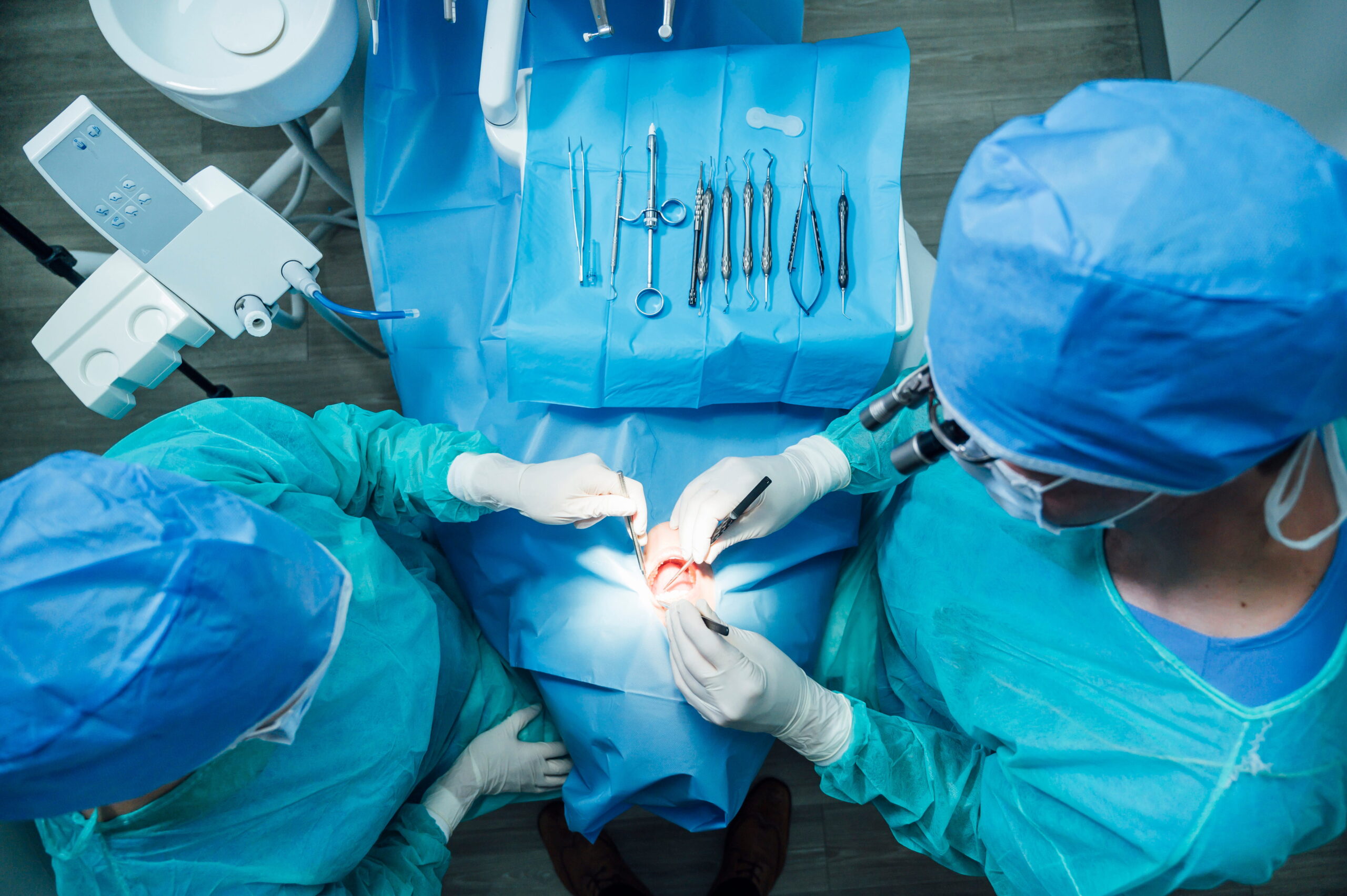
Oral Surgery & Extractions
Oral Surgery in Wilkesboro, NC
Gentle Extractions and Dental Surgery

Hearing that a tooth may need to come out can be unsettling, especially when you are already in pain. At Longview Dental, our first question is always whether the tooth can reasonably be saved. When removal truly is the best option, we handle your tooth extraction in Wilkesboro with a clear explanation, a look at the alternatives, and a plan built around comfort, safety, and smooth healing.
FAQs about Oral Surgery & Extractions
What Kind of Oral Surgery Does a General Dentist Perform?
Many general dentists perform common surgical procedures in the office, including extractions, bone grafting, and implant placement. Here, that means most patients can have teeth removed and their mouth prepared for replacement teeth without being sent elsewhere. When a case is more complex, or a specialist would serve you better, we refer to a local oral surgeon. We only move forward in-house when we are confident it is the right setting for you. Keeping this care in a familiar office with a team you already know can make a stressful situation feel far more manageable.
What Dental Surgery Procedures Are Offered?
Our surgical services focus on removing problem teeth and building a healthy base for whatever comes next:
- Simple extractions for teeth visible above the gumline
- Surgical tooth extraction for broken or hard-to-reach teeth
- Wisdom tooth removal
- Bone grafting to help preserve the jaw after an extraction
- Bone contouring, or alveoloplasty, to smooth the ridge before dentures
- Dental implant placement using 3D imaging and digital planning
Each procedure begins with an exam and imaging so we understand the tooth, the surrounding bone, and nearby nerves before treatment starts.
When Does a Tooth Need to Be Removed?
A tooth may need removal when decay, a fracture, infection, or loss of bone support makes it impossible to repair predictably. Impacted or badly positioned teeth can also be candidates. Teeth may also be removed to prepare for a denture when several remaining teeth are failing. We consider every reasonable way to keep a tooth first, because preserving natural teeth matters. Still, a tooth that cannot be maintained can lead to ongoing pain or infection, and recognizing that is part of good care.
What Is the Difference Between a Simple and a Surgical Extraction?
A simple extraction removes a tooth that is fully visible and easy to reach, while a surgical extraction is used when the tooth has broken at or below the gumline or is difficult to access.
- Simple: after numbing, the tooth is gently loosened and lifted from its socket
- Surgical: a small gum incision, removal of a little surrounding bone, or dividing the tooth into sections may be needed
Both are done with thorough numbing, and we explain which approach your tooth requires before we begin. Surgical cases sometimes need a few stitches, and we explain how to care for them.
Do Wisdom Teeth Always Need to Come Out?
No. Wisdom teeth that are healthy, fully erupted, and easy to clean can often stay. Removal is usually recommended when they are impacted, only partly erupted, crowding nearby teeth, or causing pain, infection, or decay. Imaging helps us see the position of the roots and nearby structures. If yours turn out to be a complex case, we may recommend a specialist for the best outcome. Even when they are not causing trouble yet, we keep an eye on them at routine visits so changes are caught early.
How Is Your Mouth Prepared for Implants or Dentures After Extractions?
Preparation often happens at the same visit as the extraction, so your mouth heals in a shape that supports replacement teeth. Two common steps:
- Socket preservation: graft material placed in the empty socket helps limit bone loss, which is especially useful when an implant is planned
- Alveoloplasty: sharp or uneven bone is smoothed so a denture sits comfortably without pressure points
Not every extraction needs a graft, so we discuss whether it makes sense for your plans.
For patients facing a full mouth extraction, this planning is especially important. Coordinating removal, grafting, and the final denture or implant restoration in one office makes the road from failing teeth to a confident smile much simpler.
What Comfort and Sedation Options Are Available?
We offer local anesthesia for every procedure and nitrous oxide for patients who want help relaxing. Local anesthesia numbs the treatment area so you stay awake and comfortable, though you may still notice pressure. Nitrous oxide, often called laughing gas, is breathed through a small nose mask, helps you feel calm within minutes, and wears off quickly once it is stopped. We talk through your concerns beforehand and are always happy to pause if you need a moment. The right approach depends on the procedure, your medical history, and how anxious you feel, and we decide on it together.
What Should You Expect During Surgery and Recovery?
With effective numbing, you should not feel sharp pain, although pressure or a gentle rocking motion is normal. Let us know right away if anything feels uncomfortable, and we will stop to address it. Afterward, some bleeding, soreness, or swelling is expected, and recovery time varies with the complexity of the procedure. Most patients feel noticeably better within a few days, though more involved procedures can take longer to settle. Many patients manage well with cold packs and over-the-counter pain relievers like acetaminophen or ibuprofen, when medically appropriate, and we tailor those recommendations to your health history.
What Should You Eat and Avoid After a Tooth Extraction?
Stick with soft, cool or lukewarm foods at first, and protect the blood clot forming in the socket. Helpful extraction aftercare habits include:
- Choosing yogurt, scrambled eggs, and mashed potatoes
- Skipping chips, nuts, popcorn, and spicy foods
- Avoiding straws, smoking, vigorous rinsing, and forceful spitting
- Following the timing in your written instructions
Disturbing the clot can lead to a painful dry socket, so these early precautions matter. Depending on your procedure, we may recommend continuing them for up to two weeks. We also explain when and how to gently clean the area as it heals.
When Should You Call the Office After Oral Surgery?
Call us if you have bleeding that will not stop, pain that gets worse instead of better, a fever, or swelling that keeps increasing. Before you leave, we review exactly which symptoms need attention and explain any follow-up visits included in your care. Our after-hours line connects you with the dentist directly, and urgent concerns are handled as promptly as possible. If something does not feel right, it is always better to ask. Having clear instructions in hand means you will know what is normal and what is not.
Why Choose Longview Dental for Oral Surgery
Patients trust us because we pair timely help with careful judgment. Dr. Luke Wilson recommends extractions only when necessary and refers out when a specialist would serve you better. You can count on:
- Prompt evaluation when you are hurting
- Clear explanations of your diagnosis, options, and recovery
- Extractions, grafting, and tooth replacement coordinated together
- Comfort-focused care with local anesthesia and nitrous oxide
Our complete range of dental services means your care continues smoothly after you heal.
Call Longview Dental When a Tooth Needs Attention
Whether you have a broken tooth, a painful wisdom tooth, or questions about a larger treatment plan, we are here to help. Reach us at (336) 838-4119 or get in touch with our team to set up a visit. For oral surgery in Wilkesboro, NC, you can expect careful assessment, honest guidance, and support all the way through healing.